
Building Climate Conscious Classrooms: Highlights from the Gauteng Teachers Energy & Climate Action Workshop

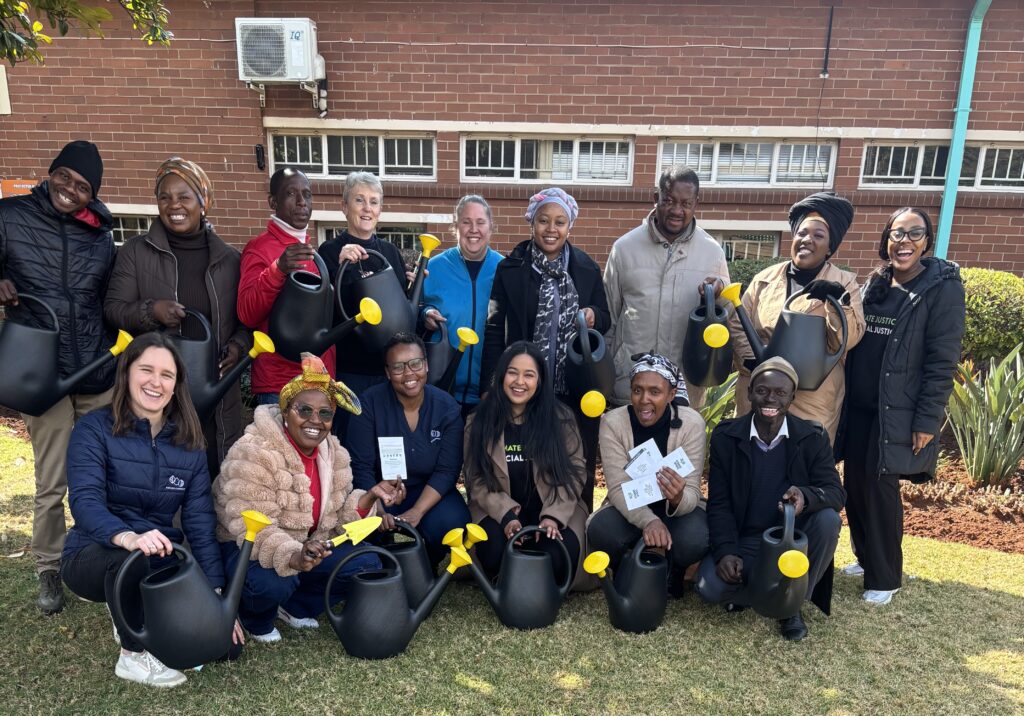
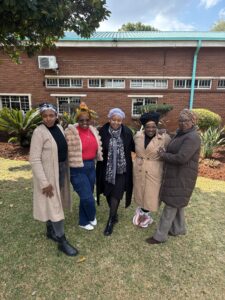
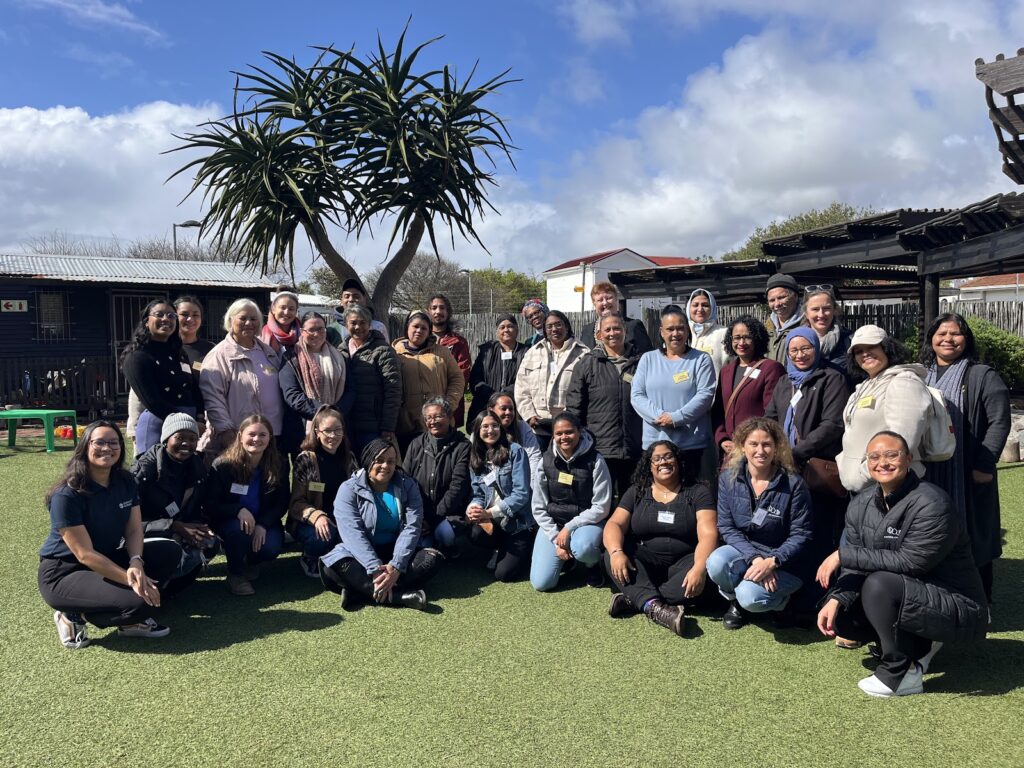
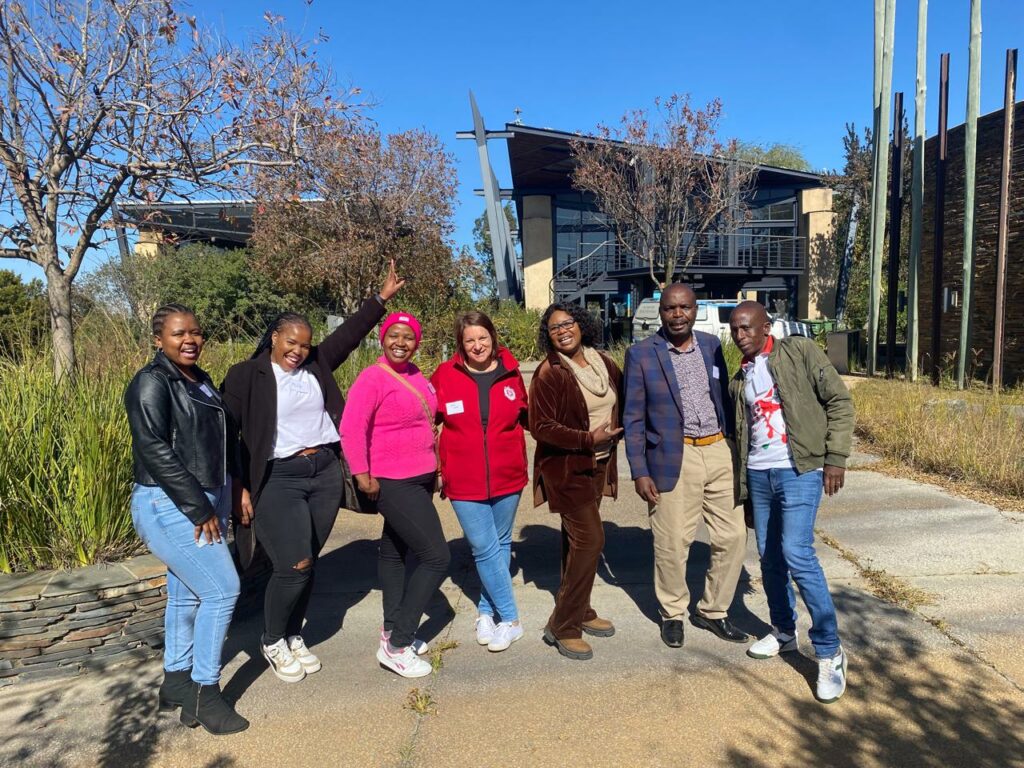
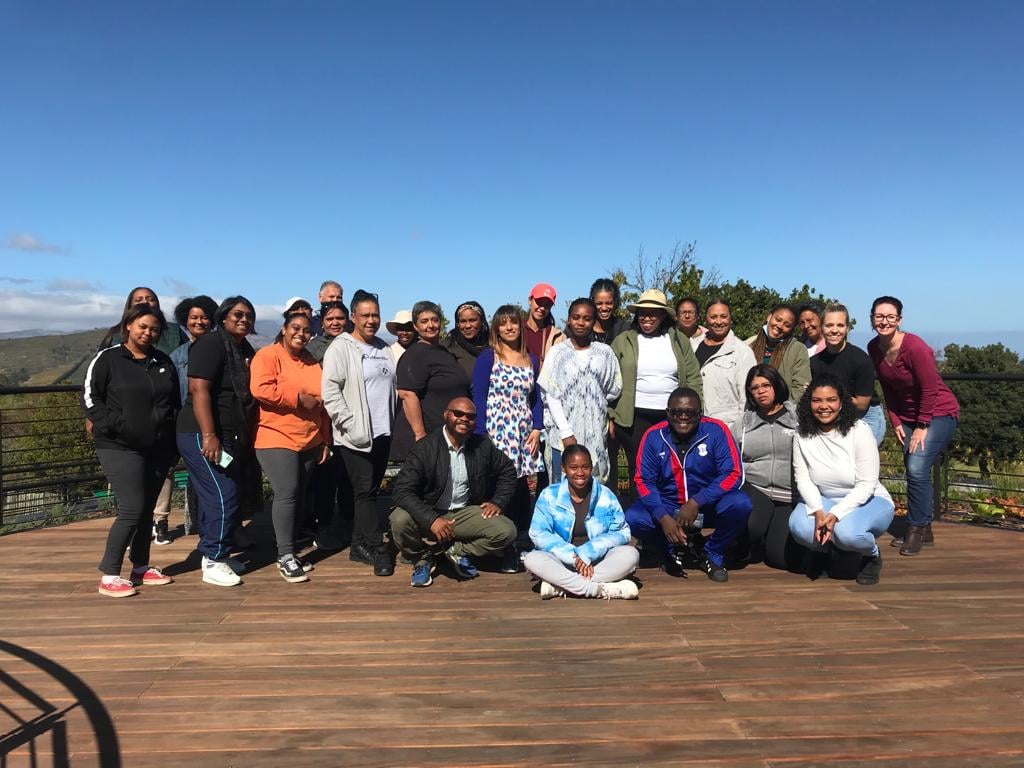
On the 8th of August, we were joined by 11 teachers from six different Gauteng schools, all eager to strengthen their understanding of climate literacy and justice.
This workshop was hosted in partnership with Food & Trees for Africa’s African Climate Reality Project (ACRP). A special thanks to Courtney and Dimpho for delivering such an insightful and powerful session. Their contribution left teachers feeling more confident to bring climate action into classrooms. Thank you to Dalpark Primary School for opening your beautiful space for us to learn and share together. We truly value schools like yours that make gatherings like these possible.
The workshop, themed “Energy & Climate Action,” gave teachers practical tools and fresh ideas to make climate change education meaningful for their learners.
The day began with a “Connect before Content” session, where teachers shared simple but impactful ways to save energy and reduce climate change—and reflected on how these ideas could be put into practice in their schools and communities.
The ACRP team then led a powerful Climate Change 101 session. Teachers unpacked key concepts like the difference between climate and weather, greenhouse gases, global warming, and the justice dimensions of the crisis. One teacher from Ntokozweni Primary School captured the spirit of the day perfectly, noting: “That we take climate change as a light thing—we need to change our ways.”
Educators were also introduced to the Head-Heart-Body model of climate action. This framework showed that climate education is not just about facts (Head), but also about building empathy and emotional connection (Heart), and empowering learners to take practical, everyday steps (Body) that make a difference.
Teachers also engaged with a documentary that explored climate justice through a gender lens, emphasising how women are often among the most affected in communities facing the harsh realities of climate change. At the same time, it showcased how ordinary women are leading extraordinary efforts to drive climate action in their contexts. Together, they reflected on how climate change disproportionately affects vulnerable groups, especially women and young people. The screening sparked a powerful conversation among both female and male teachers, who reflected on the vital role educators play in shaping a more equal society.
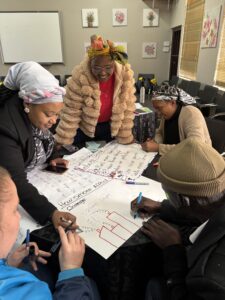
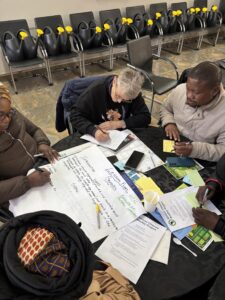
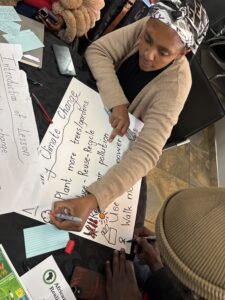
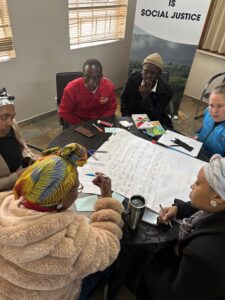
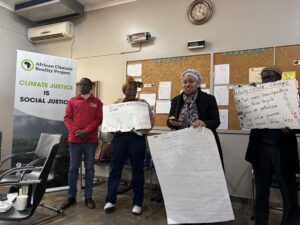
To put learning into practice, teachers collaborated in groups to design climate change lesson plans. These focused on practical steps learners could take, such as saving energy, reducing waste, starting food or indigenous gardens, and promoting sustainable consumption, while also weaving in the principle of climate justice.
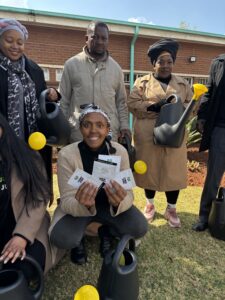
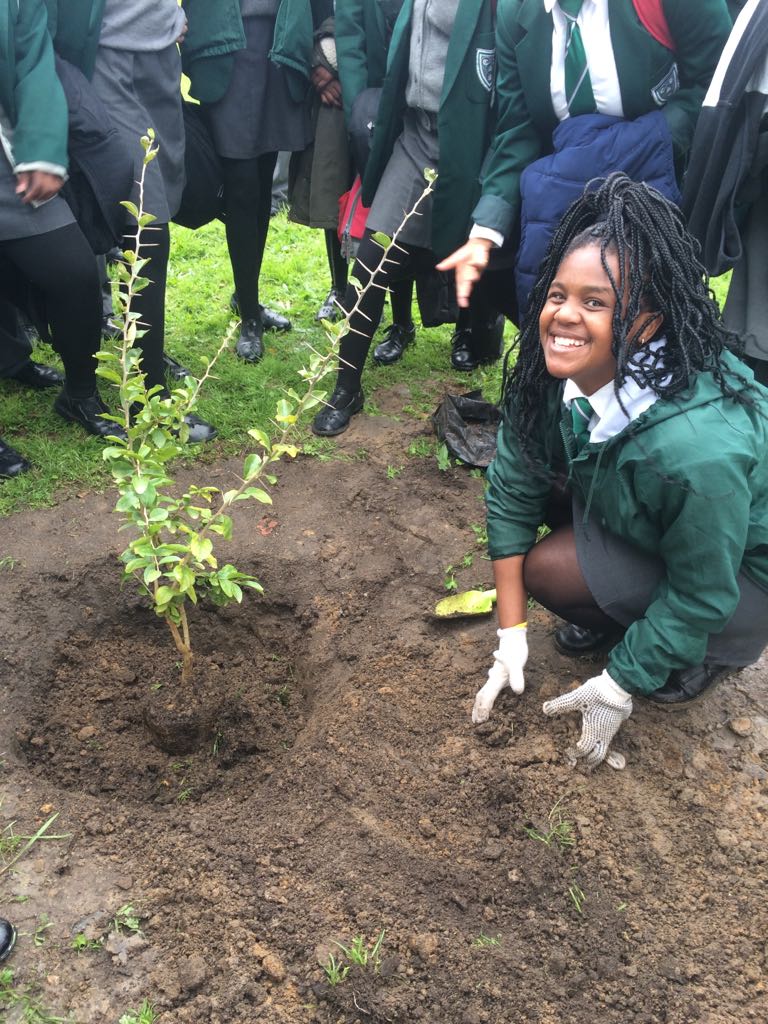
By the end of the workshop, teachers left feeling informed, inspired, and ready to act. Equipped with new knowledge, strategies, and lesson ideas, they are now better prepared to cultivate climate-conscious learners who can become positive change-makers in their schools and communities. The Sustainable Schools Programme was thrilled to host such a successful workshop, and the excitement carried through to the teachers, who couldn’t wait to put their Planter Starter Packs (complete with a watering can, seeds, fertiliser, and a shovel) to good use. For many schools already running food garden projects, these packs will be a practical and valuable tool.




Responses